
Commercial Glass Installation:
How We Build Storefronts
in New Jersey
We install commercial storefront glass systems for retail stores, offices, and restaurants across North and Central Jersey with glass, aluminum framing, doors, and hardware selected for the project requirements.
Your storefront glass does a lot more than just look good. Before a customer even walks inside your glass is already affecting how your business is perceived, how much you spend on energy, and how secure your property is.
For business owners across Bergen, Hudson, Essex, and Passaic counties, choosing the right storefront system is not just a design decision—it’s an operational one.
This guide breaks down everything you need to know: the types of systems available, what New Jersey building codes require, what impacts cost, and how to avoid expensive mistakes.


Your storefront glass does a lot more than just look good. Before a customer even walks inside your glass is already affecting how your business is perceived, how much you spend on energy, and how secure your property is.
For business owners across Bergen, Hudson, Essex, and Passaic counties, choosing the right storefront system is not just a design decision—it’s an operational one.
This guide breaks down everything you need to know: the types of systems available, what New Jersey building codes require, what impacts cost, and how to avoid expensive mistakes.
Quick Takeaways
Energy performance depends on the complete glass-and-frame system and building conditions
Confirm applicable safety-glazing requirements for each opening
Installation dates and duration are confirmed for the project scope
Compare energy options using project-specific costs and performance information
Review thermal performance ratings for the selected frame and glass
Review applicable accessibility and egress requirements before ordering
What Is Storefront Glass?
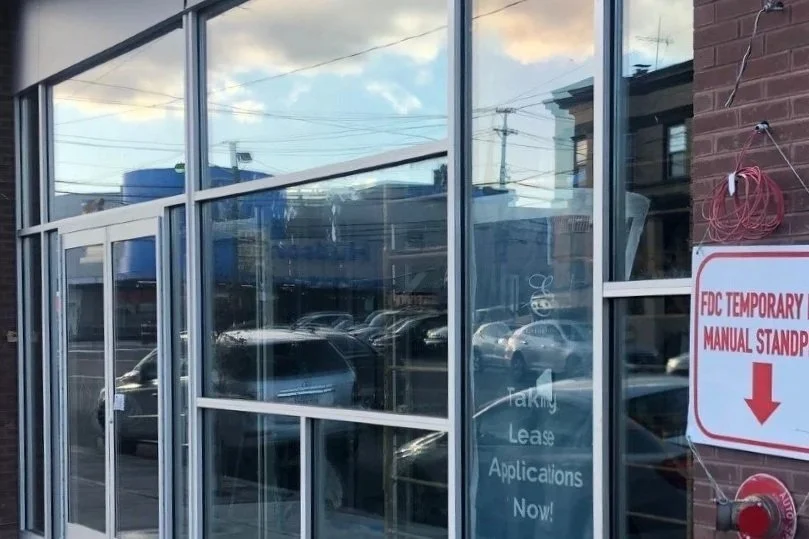
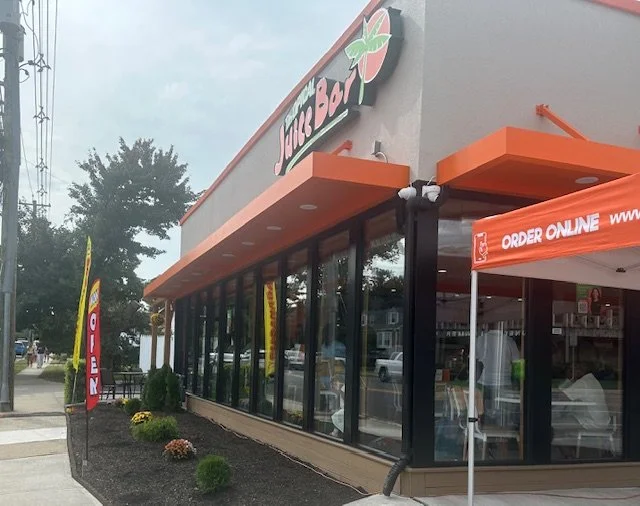
When people talk about storefront glass, they usually think about the glass panels—but the system includes much more than that. A complete storefront system includes:
Glass panels
Aluminum framing
Entry doors
Hardware (closers, locks, handles)
Weather sealing
All of these components must work together.
One of the most common mistakes is focusing only on the glass. For example, installing high-performance insulated glass in a standard aluminum frame without thermal protection will still result in poor energy performance. The frame itself can transfer heat and cold.
A properly designed storefront affects four main things:
1. Customer perception
A clean, modern storefront creates trust. Damaged or outdated glass does the opposite.
2. Energy efficiency
Poor insulation leads to higher heating and cooling costs—especially in New Jersey’s climate.
3. Security
Security performance depends on the complete assembly and any applicable testing.
4. Code compliance
Incorrect installations can fail inspections and create liability issues.
Ready to Start Your Project?
Call Delta Glass NJ at (201) 214-3779 for a consultation, email us at deltaglassestimates@gmail.com, or **request a detailed quote online**.
We serve businesses throughout **Bergen County, Hudson County, Passaic County, and the greater North Jersey region.**
Types of Storefront Systems
Not all storefront systems are the same. Choosing the right one depends on your building, budget, and long-term goals.
Aluminum Storefront Systems (Most Common)
This is the most widely used system in North Jersey. It’s durable, cost-effective, and works well for most businesses.
You can choose between standard aluminum or thermally broken aluminum. The thermally broken version includes insulation inside the frame, which significantly improves energy performance.
Best for:
Retail stores
Offices
Restaurants
Strip malls
Curtain Wall Systems
Curtain wall systems are designed for larger or multi-story buildings. They provide better structural performance and allow for larger glass panels.
They are more expensive and typically not necessary for most small to mid-sized businesses.
Best for:
Office buildings
Large commercial facades
Frameless (All-Glass) Storefronts
These systems use minimal framing to create a clean, modern look. They offer maximum visibility and a high-end appearance.
However, they require more maintenance and are more expensive to repair if damaged.
Best for:
High-end retail
Showrooms
Luxury spaces
Structural Silicone Systems
This system bonds glass directly to the structure using specialized silicone, creating a seamless exterior appearance.
Installation is more complex and must be done by experienced professionals.
Best for:
Modern commercial buildings
Design-focused projects
Choosing the Right Glass
The glass itself plays a major role in performance. In New Jersey’s climate, you need to balance insulation, safety, and solar control.
Insulated Glass Units (IGUs)
These are double-pane glass units with air or gas between the layers. They are standard for commercial storefronts and significantly improve energy efficiency.
Select glazing for the actual application, existing system, and applicable project requirements.
Low-E Glass
Low-E (low emissivity) glass includes a special coating that reflects heat while still allowing light to pass through.
This helps keep interiors cooler in the summer and warmer in the winter. It is now standard for most commercial storefronts.
Tempered vs Laminated Glass
Both types are safety glass, but they behave differently.
Tempered glass breaks into small pieces and is required in many storefront areas
Laminated glass holds together when broken, offering better security
For businesses where security matters—such as pharmacies or high-value retail—laminated glass is usually the better option.
Tinted and Reflective Glass
These options help reduce glare and solar heat gain.
However, they can also reduce natural light, and some municipalities have restrictions on reflective glass, so it’s important to verify before installing.
NJ Building Requirements to Review
Before ordering, confirm the applicable requirements with the project design team and local authority. The scope, building use, and existing conditions affect which provisions apply.
Safety glazing and any required fire-rated assemblies.
Accessibility and egress, including clear opening, thresholds, operating hardware, and door operation.
Energy performance of the complete glass-and-frame system.
Permits, landlord approvals, and inspection requirements.
Installation Process
Understanding the process helps you plan better and avoid delays.
Step 1: Site Evaluation
Measurements are taken, and the structure is evaluated.
Step 2: Fabrication
Frames and glass are custom-made based on field measurements.
Step 3: Installation
The system is installed, including frames, glass, and hardware.
Step 4: Final Inspection
Everything is tested, adjusted, and approved.
Installation timing depends on scope, material availability, access, and site readiness. Confirm a project-specific schedule.
Storefront Glass Cost in NJ
Costs vary depending on system type, materials, and project complexity.
A current quote requires the confirmed opening dimensions, glass and frame specification, doors, hardware, and installation scope. This page is planning guidance, not a price list.
Additional costs depend on:
Glass type (Low-E, laminated, etc.)
Site conditions
Accessibility
Project size
Energy Efficiency and ROI
Energy savings vary with the existing storefront, orientation, building use, HVAC system, and selected glass and frame.
Compare rated system performance and project-specific estimates rather than relying on a blanket savings percentage.
Payback is project-specific and is not guaranteed.
Repair vs Replacement
Not every issue requires a full replacement.
Repair may be appropriate after assessment when:
Hardware is worn or broken
The issue can be addressed without retaining unsafe damaged glass
Seals need maintenance
Replacement may be needed when:
Glass is fogging (seal failure)
Frames are damaged or misaligned
Structural issues are present
Maintenance Tips
Routine maintenance helps preserve operation and appearance; service life depends on the system, exposure, use, and maintenance.
Clean glass regularly with non-abrasive products
Inspect seals and gaskets annually
Maintain hardware (hinges, closers)
Schedule professional inspections
Frequently Asked Questions
What is the best glass for storefronts in NJ?
The appropriate glass depends on the opening, safety requirements, thermal goals, and selected storefront system.
How long does installation take?
Timing is confirmed for the actual scope, access, materials, and site readiness.
Is laminated glass worth it?
Yes, especially for businesses that need extra security.
How much does it cost?
Request a project-specific quote based on measurements, materials, doors, hardware, and installation conditions.
What codes apply?
Confirm applicable building, safety-glazing, accessibility, egress, energy, and permit requirements with the design team and local authority.
Final Thoughts
A storefront system is a long-term investment. The right decision improves energy efficiency, enhances security, and supports your business for years.
The wrong decision leads to higher costs, maintenance issues, and potential code problems.
If you’re planning a new installation or upgrading an existing storefront, it’s important to work with a contractor who understands both the technical and regulatory side of the job.
Ready to Get Started?
Send your project location, approximate dimensions, photos, and whether you need a new storefront, glass replacement, or door work.
Call: (201) 214-3779
Email: deltaglassestimates@gmail.com
Get a quote: deltaglassnj.com/contact
For entrance-focused projects, explore our commercial storefront door installation and replacement service.
Narrow Stile · Commercial Storefront System
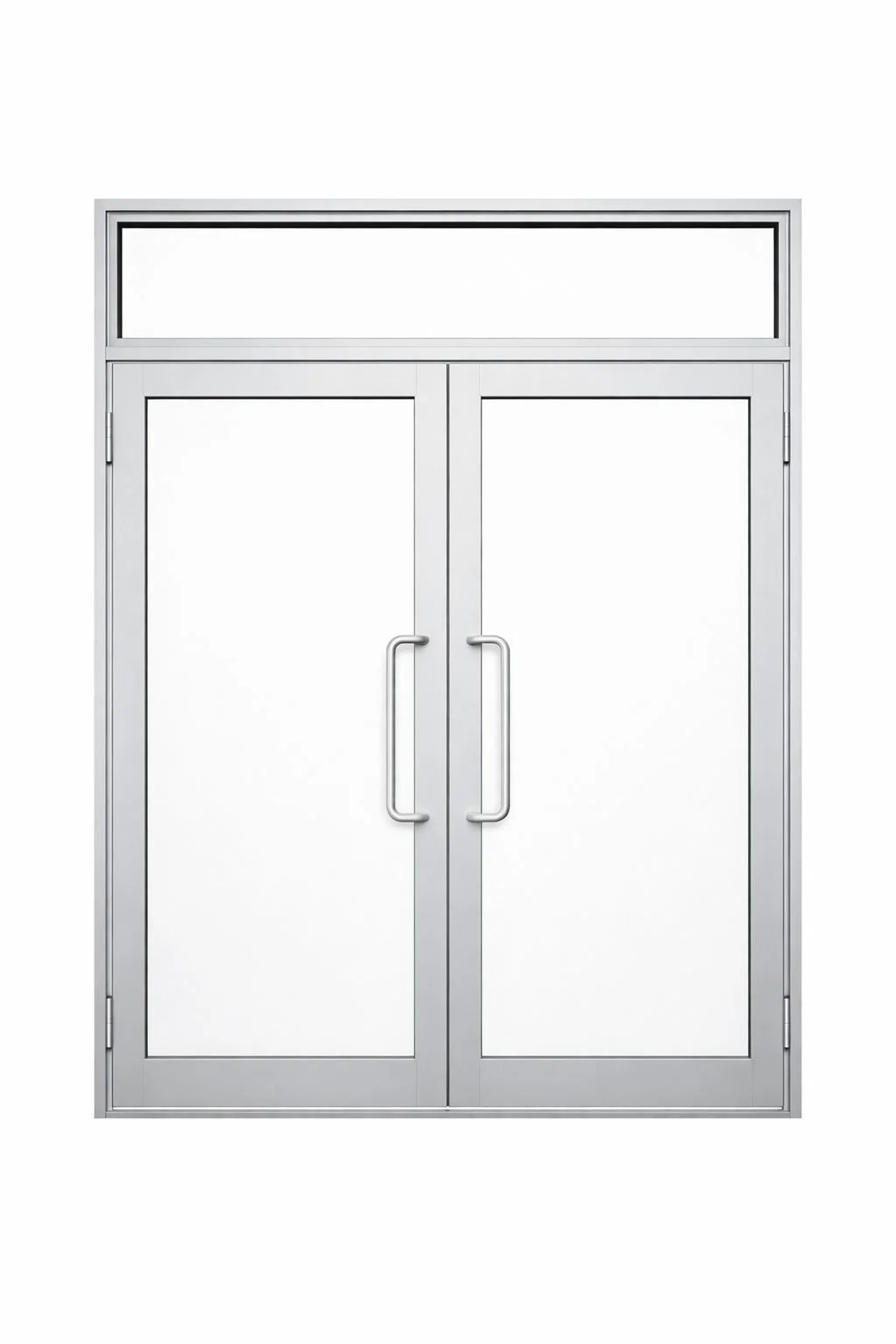
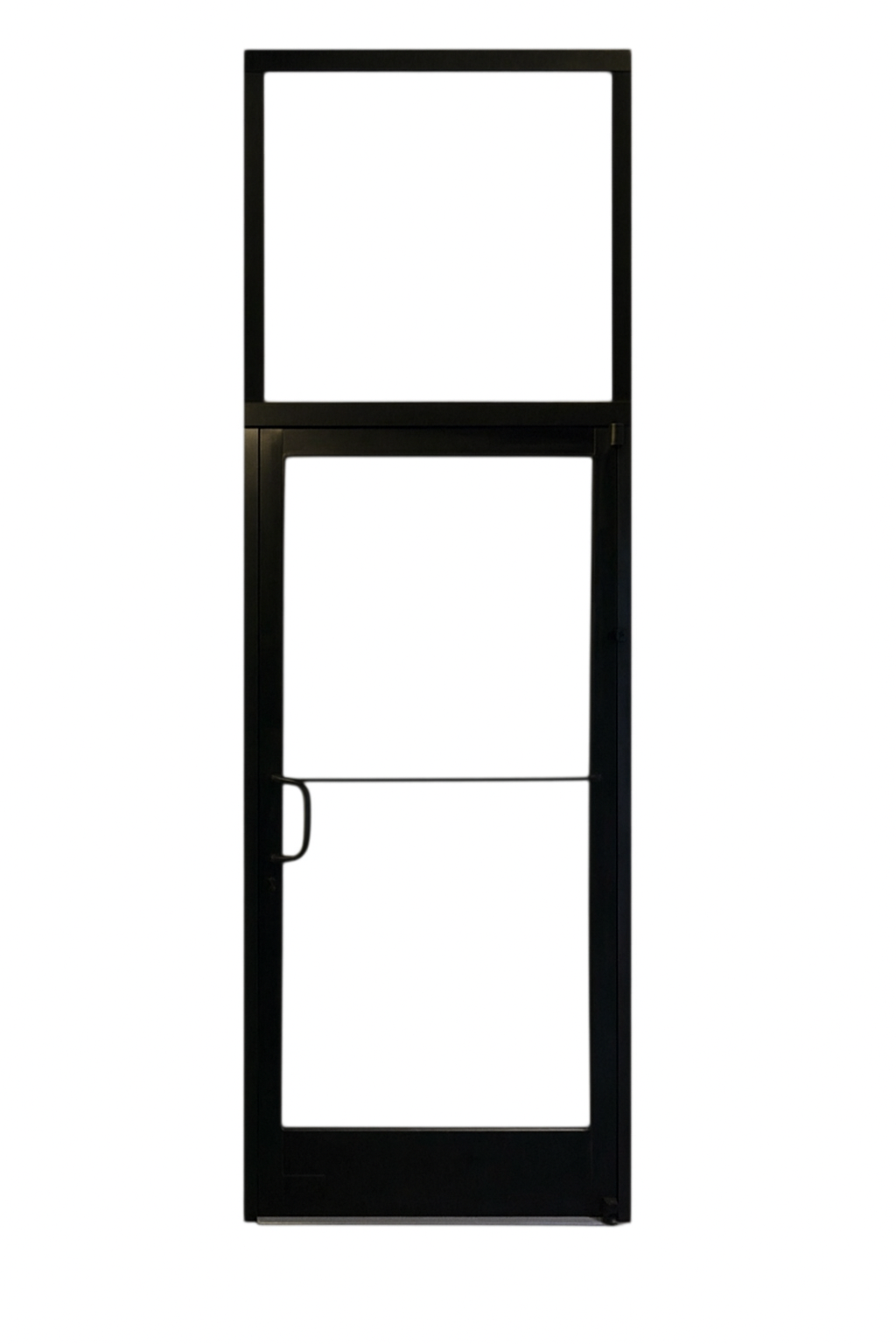
A modern aluminum storefront door system designed for retail and commercial entrances. This configuration features a narrow stile aluminum frame, center swing glass door, and full-height sidelights, delivering maximum visibility, clean sightlines, and a professional storefront appearance.
Ideal for retail stores, offices, restaurants, showrooms, and mixed-use commercial spaces.